Explore OurBlogs
Discover the latest insights and tips on physiotherapy, wellness, and health.
Discover the latest insights and tips on physiotherapy, wellness, and health.
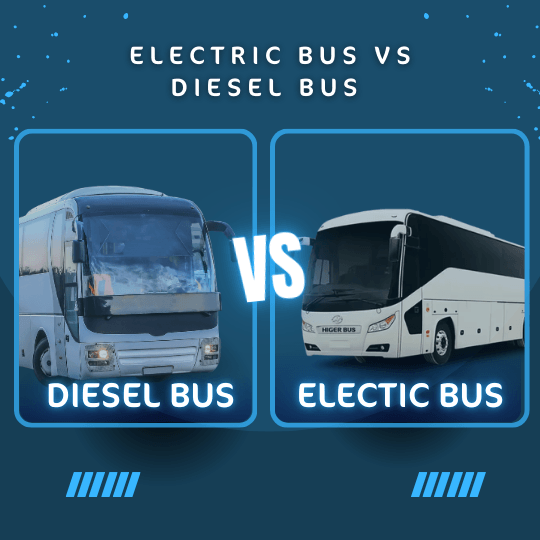
Anyone who has waited at a noisy bus stop in Kathmandu, squeezed into a micro on a dusty road, or travelled long distances during festival season knows how important buses are in Nepal.
They’re not just vehicles. They’re how students get to school, how workers get to their jobs, and how families travel from city to village. Buses are part of daily life.
Recently, people have started noticing more electric buses on the road, especially on city routes. Some passengers get curious, some operators get hopeful, and some still feel unsure. The big question keeps coming up. Are electric buses really cheaper to run than diesel buses in Nepal?
It sounds like a simple question, but the answer depends on things we see every day in Nepal. It depends on road conditions, electricity availability, traffic, how far the bus needs to travel, how well it’s maintained, and whether charging stations are nearby.
Still, when we look at the real running cost, electric buses have started to show a clear advantage. Let’s break it down in a way that actually makes sense on Nepali roads.
The first worry people have is the price of the bus itself. Diesel buses are still cheaper to buy. Electric buses usually cost more upfront because most of them are imported, and the technology is newer.
Even with government tax benefits for electric vehicles, operators often feel that the initial investment is heavy.
For a school in Bhaktapur or a city route operator in Chitwan, spending more at the beginning can feel risky. People still fear “What if it doesn’t work out?” So yes, electric buses cost more in the beginning. But once they start running every day, the story changes fast.
In Nepal, diesel prices move up and down more than potholes on a highway. Diesel goes up, then down a little, then up again. Every change hits bus owners directly. If fuel price rises, the cost per passenger also rises.
Electricity is different. It comes from Nepali hydropower. It doesn’t depend on imported fuel. It’s more stable in price. And electric buses can run long distances for surprisingly low cost.
Here’s a simple example, based on a bus running 1,00,000 KM.
Total Fuel Cost
Total Charging Cost
Vehicle Type
Cost Per KM (NPR)
Total Cost for 1,00,000 KM (NPR)
Diesel Bus
147
1,47,00,000
Electric Bus
11.5
11,50,000
1,47,00,000 – 11,50,000 = NPR 1,35,50,000
That’s more than 1.35 crore rupees saved just from energy costs, without including maintenance savings.
When bus owners see these numbers, many start thinking differently about electric.
Anyone who has sat beside a noisy diesel engine knows how hard these machines work. They have many moving parts and need regular servicing.
You need to change the engine oil, filters, belts, and other components. On bumpy roads, parts wear out faster. Mechanics are easy to find, but the small expenses keep adding up.
Electric buses don’t have engines with pistons or gearboxes that grind all day. They don’t need engine oil. Fewer parts can break down. So they usually spend less time in workshops and more time earning on the roads.
The only challenge is that electric buses need trained technicians when something major goes wrong. Diesel mechanics are everywhere, but EV technicians are still growing in number. This is improving slowly, especially in big cities.
Nepal doesn’t have smooth roads everywhere. From steep hills in Dharan to rough countryside roads in Dailekh, buses face a hard life. Diesel buses have been doing this for decades, so people trust them.
Electric buses are strong too, but they depend a lot on how well the battery is maintained. If operators follow correct charging habits and take proper care, batteries last longer and can be replaced for less than the cost of a new bus. If handled carelessly, they don’t perform well.
So yes, electric buses work on Nepali roads, but they need responsible management, just like diesel buses need regular care.
Fuel stations are everywhere. Charging stations are mostly in big cities like Kathmandu, Pokhara, Butwal, and on a few major routes. Long-distance routes need careful planning.
Nepal’s electricity is improving, but some areas still face voltage issues. If a charging point fails, a bus might lose valuable operating time.
For electric buses to grow, we need more charging stations in smaller towns and on highways. This change has already started, and more companies are working to expand the network. As the network grows, electric buses will become even more common.
Electric buses don’t release smoke. Anyone who has walked through Kathmandu traffic knows how badly we need cleaner air.
Less smoke means fewer health problems, fewer hospital visits, and lower medical costs for families and communities. Electric buses don’t just save money for operators; they also save money for society.
Electric buses are best for:
Diesel buses still make sense for:
There’s no “one answer for everyone.” The best bus depends on where you operate and how you plan to manage it. But one thing is clear. As charging improves and technicians become more skilled, electric buses will take a bigger share of Nepal’s roads.
If you’re considering adding an electric bus to your fleet, or just want to understand which model fits your route, we’re here to help. A short conversation often helps more than a long list of numbers.
Arksh Motor is the authorized distributor of Higer electric buses in Nepal.
Higer buses are already running on Nepali routes, and the feedback has been positive. We focus on reliable after-sales support, service training, and parts availability, because a bus should make your work easier, not stressful.
👉 You can contact Arksh Motor to explore electric bus options that match your route and budget.
We’d be happy to guide you and help you make the right choice for your business.
Electric buses are cheaper to run, quieter, and cleaner. They save fuel costs, reduce pollution, and work well on city routes with proper charging support.
Most electric buses in Nepal can travel around 180 to 250 km per full charge, depending on road conditions, passenger load, and driving habits.
Electric buses need reliable charging stations, trained technicians, and proper battery care. Remote areas may face charging problems and occasional maintenance delays.
Electric buses use batteries and motors, run quietly, and cost less per kilometer. Diesel buses use engines, burn fuel, and require more maintenance.
Electric buses cost around NPR 11.5 per KM, while diesel buses can cost about NPR 147 per KM, saving over 1.35 crore per 1,00,000 KM.
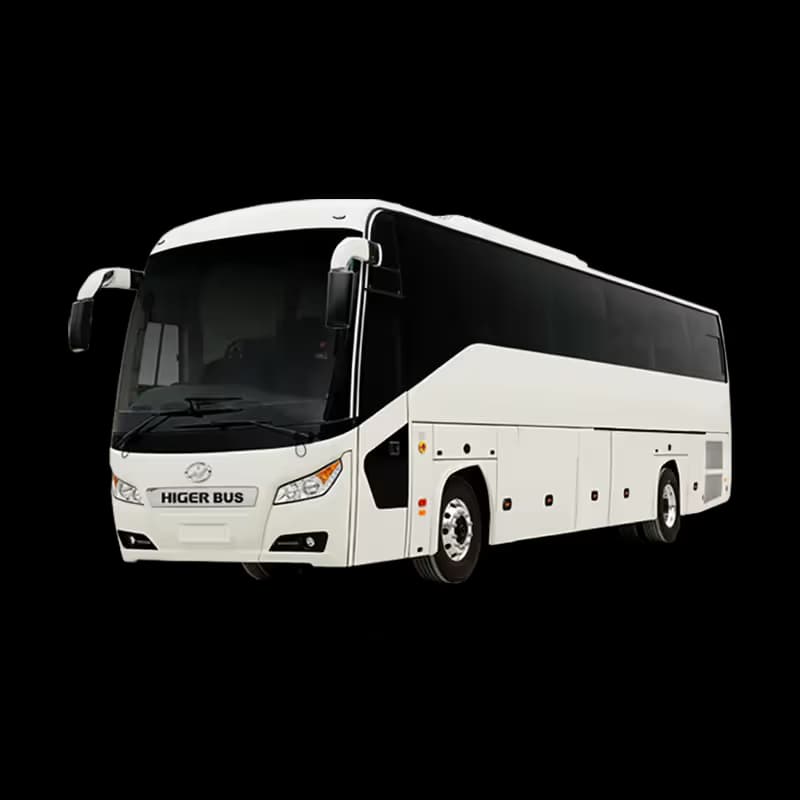
Are you seeking a transport solution that combines uncompromising luxury with the robust performance needed to navigate Nepal’s diverse and challenging road networks? The Higer Bus, specifically the high-performance KLQ6812KQ/KLQ6812KR/KLQ6812K series, is engineered to be the definitive choice for tourist operators, corporate fleets, and long-distance travel across the country. This isn't just a bus; it’s a commitment to safety, comfort, and reliability on every journey.
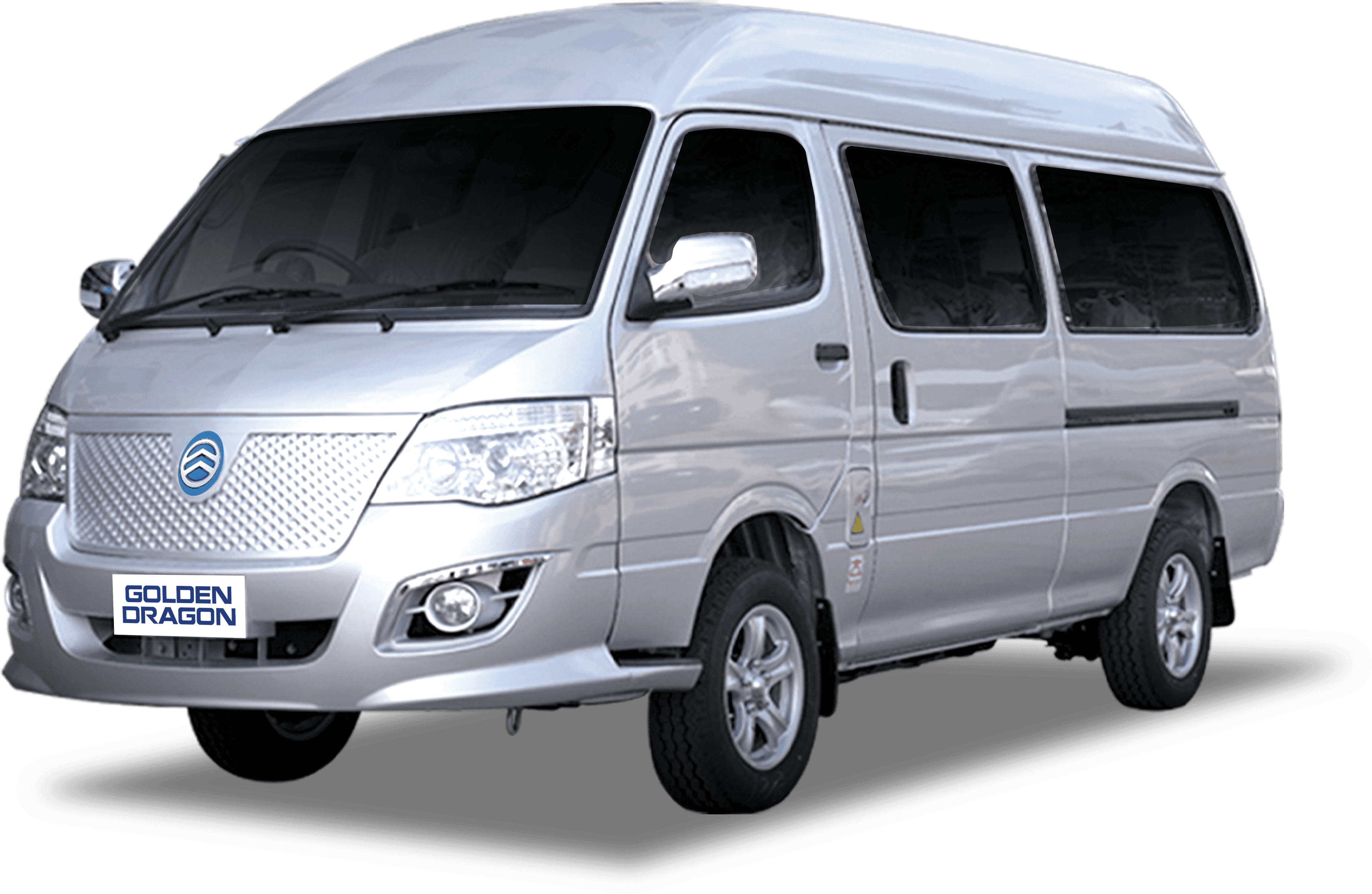
As Nepal moves rapidly toward sustainable mobility, electric vehicles are becoming the preferred choice for both businesses and individuals. Among the latest innovations, the Golden Dragon Electric Van stands out as one of the most practical, eco-friendly, and cost-effective options for commercial use. Available in 14, 15, and 16-seater variants, this electric van is designed to deliver exceptional performance, comfort, and long-term savings.
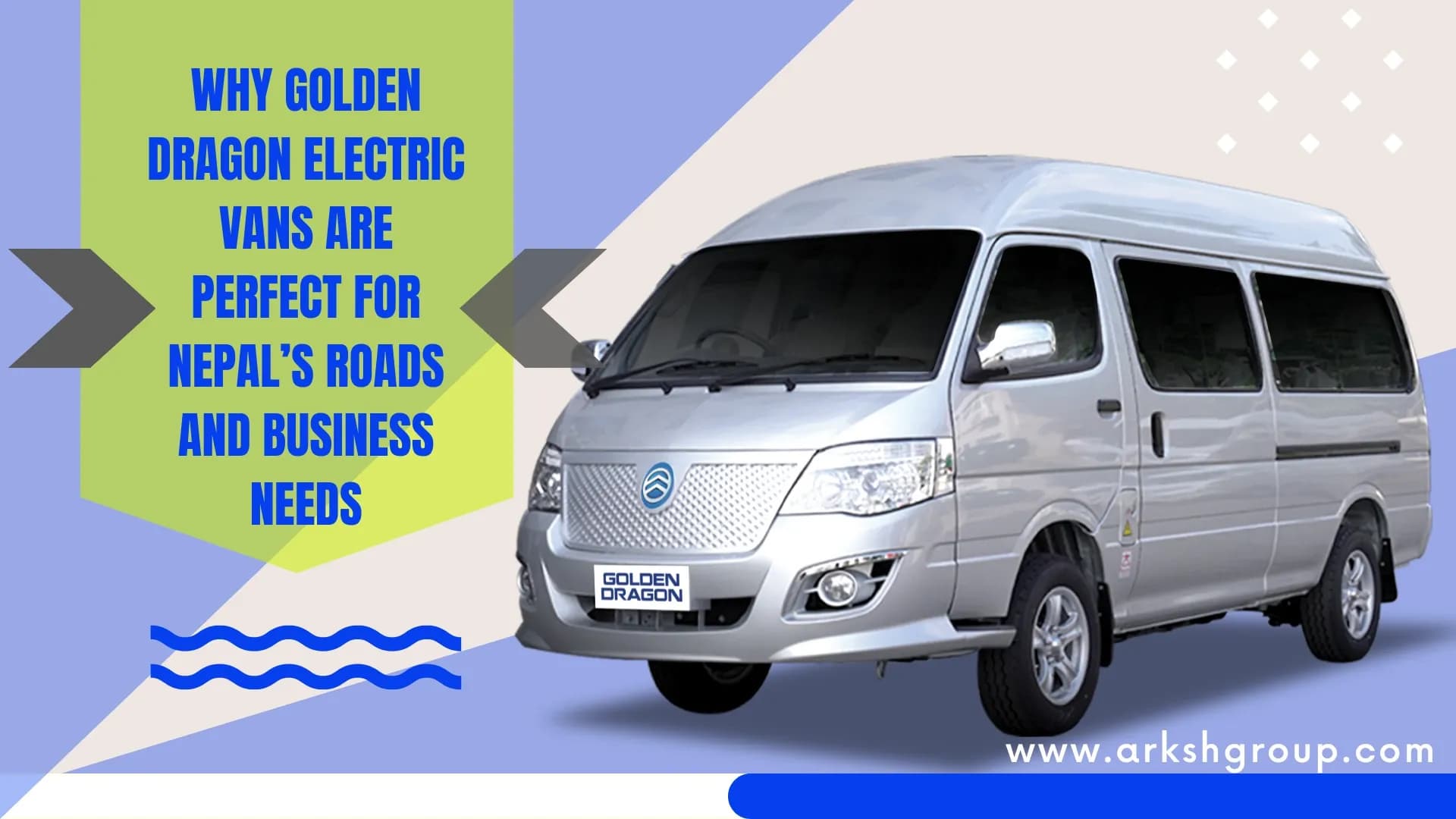
Golden Dragon EVs are already making an impact in the Nepali market. These vans are designed to handle the kind of roads we have—short, narrow city streets, busy highways, and even in mountainous areas.